— Who It's For
Ask better questions and adapt your approach
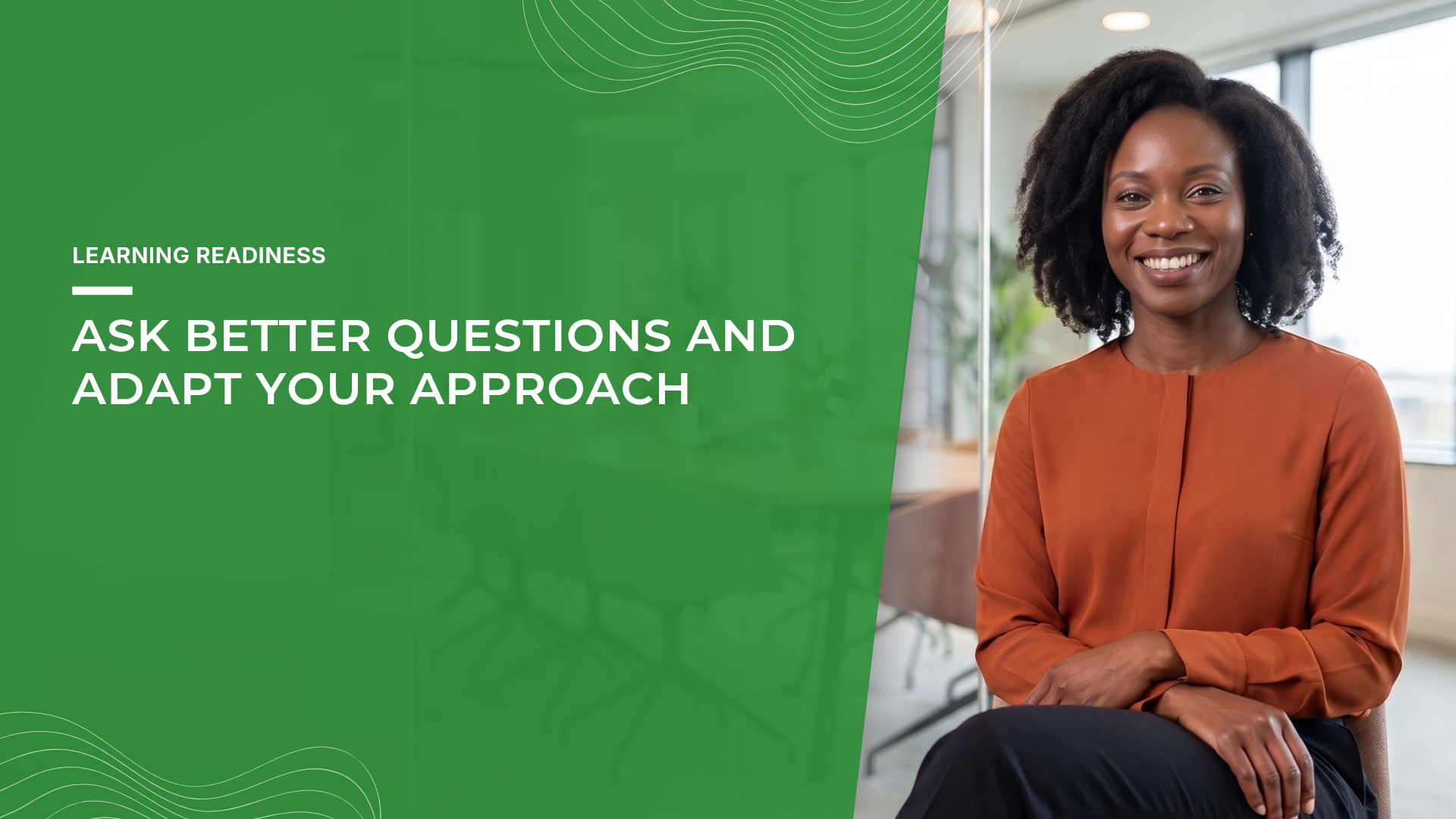
Do you ever catch yourself sticking with your first answer, even when something feels off? When you rely on quick assumptions and stop adjusting your approach, it can lead to weaker decisions, missed opportunities, and unnecessary stress at work. It also makes it harder to respond well when situations change or when a better question could open up a better path. In this course, you'll learn why useful questions and flexibility matter, how to avoid the trap of protecting your first answer, how to use a notice-and-choose loop, and how to keep this habit light and repeatable.
Interactive Video
Practical Resources

Skill Practice
Certificate of Completion
— Why This Course
Benefits of Our Training
Designed by working professionals for aspiring professionals.

Challenge Your First Answer
Learn how quick assumptions can limit your thinking and discover when it is useful to step back and ask a better question.

Ask With Purpose
Develop a more useful questioning habit that helps you uncover what matters instead of simply confirming what you already believe.

Adapt Your Approach
Learn to notice when your current approach isn't working and choose a different path without making the process complicated.
— What You'll Learn
Course Curriculum
15 Years of Experience
Learners
Assignments
Hours
— Your Instructor
The Experience Behind the Course
This course is built around the everyday situations where our first answer isn't always the best one.
The approach combines practical thinking with simple habits that help you pause, ask better questions, and adapt your approach when circumstances or information change.
— Testimonials
What Readers Are Saying
Real reviews. Real people. Real impact.

— Questions
Before you write.
A few things people ask most often.
What will I learn in this course?
You'll learn how to ask more useful questions, challenge quick assumptions, and adapt your approach when your first answer isn't giving you the result you need.
Why is it difficult to move beyond a first answer?
Once we have an answer, we can become attached to it. This can make it harder to notice new information or consider a better approach.
How can better questions improve my decisions?
Better questions can reveal information you may have missed, challenge assumptions, and help you see more useful options before deciding what to do next.
What is the notice-and-choose loop?
It is a simple habit of noticing what is happening, pausing before automatically responding, and choosing an approach that better fits the situation.
Can I use these skills in everyday situations?
Yes. The techniques are designed to be simple and repeatable, making them useful in workplace conversations, decisions, problem-solving, and changing situations.

Practical systems for modern life, performance, and wellbeing. Books, courses, and corporate programmes built from three decades of real leadership and delivery experience.