— Who It's For
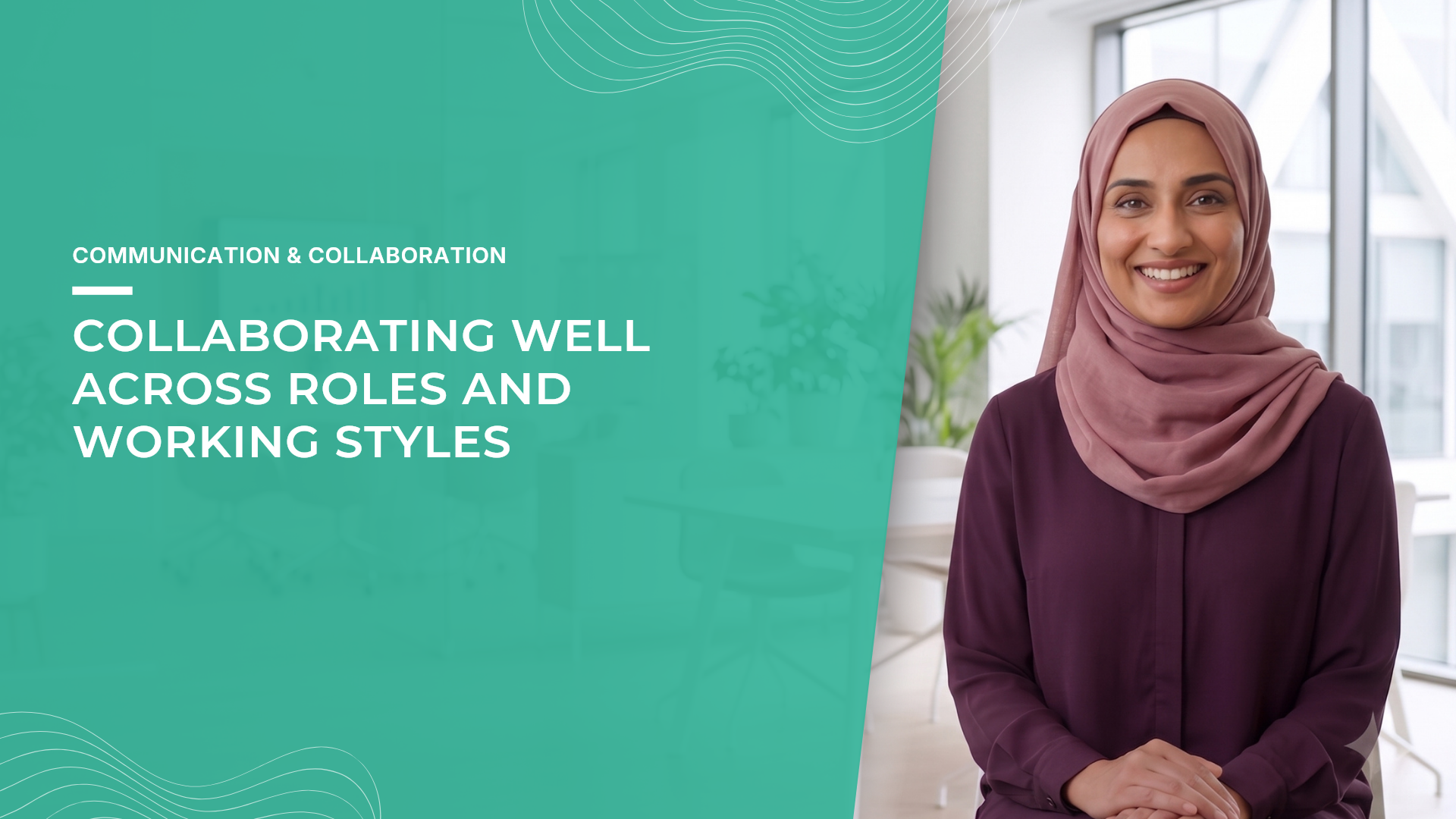
Collaborating well across roles and working styles
Do you ever find yourself clashing with coworkers simply because you approach work in different ways? When those differences create friction, collaboration can stall, misunderstandings can grow, and your day-to-day work can feel more draining than it needs to. Often, the real problem isn't the difference itself but the hidden rules each person brings about how to work together. In this course, you'll learn why difference creates friction so quickly, how unspoken expectations get in the way, and one practical move to name the difference and set a working agreement. You'll also see what better collaboration looks like in practice.
Interactive Video
Practical Resources

Skill Practice
Certificate of Completion
— Why This Course
Benefits of Our Training
Designed by working professionals for aspiring professionals.

Understand Working Differences
Learn why people can approach the same work in very different ways and how those differences can create unnecessary friction.

Make Expectations Clear
Discover how unspoken assumptions can get in the way and learn how to name differences before they become bigger problems.

Create Better Agreements
Learn how simple working agreements can help different people collaborate more smoothly, with greater clarity and less frustration.
— What You'll Learn
Course Curriculum
15 Years of Experience
Learners
Assignments
Hours

— Your Instructor
The Experience Behind the Course
This course is built around the everyday reality of working with people who think, communicate, and approach work differently.
The approach focuses on understanding where friction comes from, making hidden expectations visible, and creating practical agreements that help people work together more effectively.
— Testimonials
What Readers Are Saying
Real reviews. Real people. Real impact.

— Questions
Before you write.
A few things people ask most often.
Why can different working styles create friction?
People often have different assumptions about how work should be done. When those expectations stay unspoken, even small differences can lead to frustration or misunderstanding.
How can I work better with someone who has a different style?
Start by recognising the difference rather than judging it. Then discuss what each person needs and agree on a practical way of working together.
What are working agreements?
Working agreements are clear, shared expectations about how people will communicate, collaborate, make decisions, and handle their work together.
Can naming differences really improve collaboration?
Yes. When differences are acknowledged openly, people can move away from assumptions and focus on finding a way of working that suits everyone involved.
Is this course useful for teams and individuals?
Yes. The ideas can help anyone who works with others, whether you're part of a team, working across roles, or collaborating with people who approach work differently.

Practical systems for modern life, performance, and wellbeing. Books, courses, and corporate programmes built from three decades of real leadership and delivery experience.