
— Who It's For
Dealing with Stress, Pressure, and Burnout
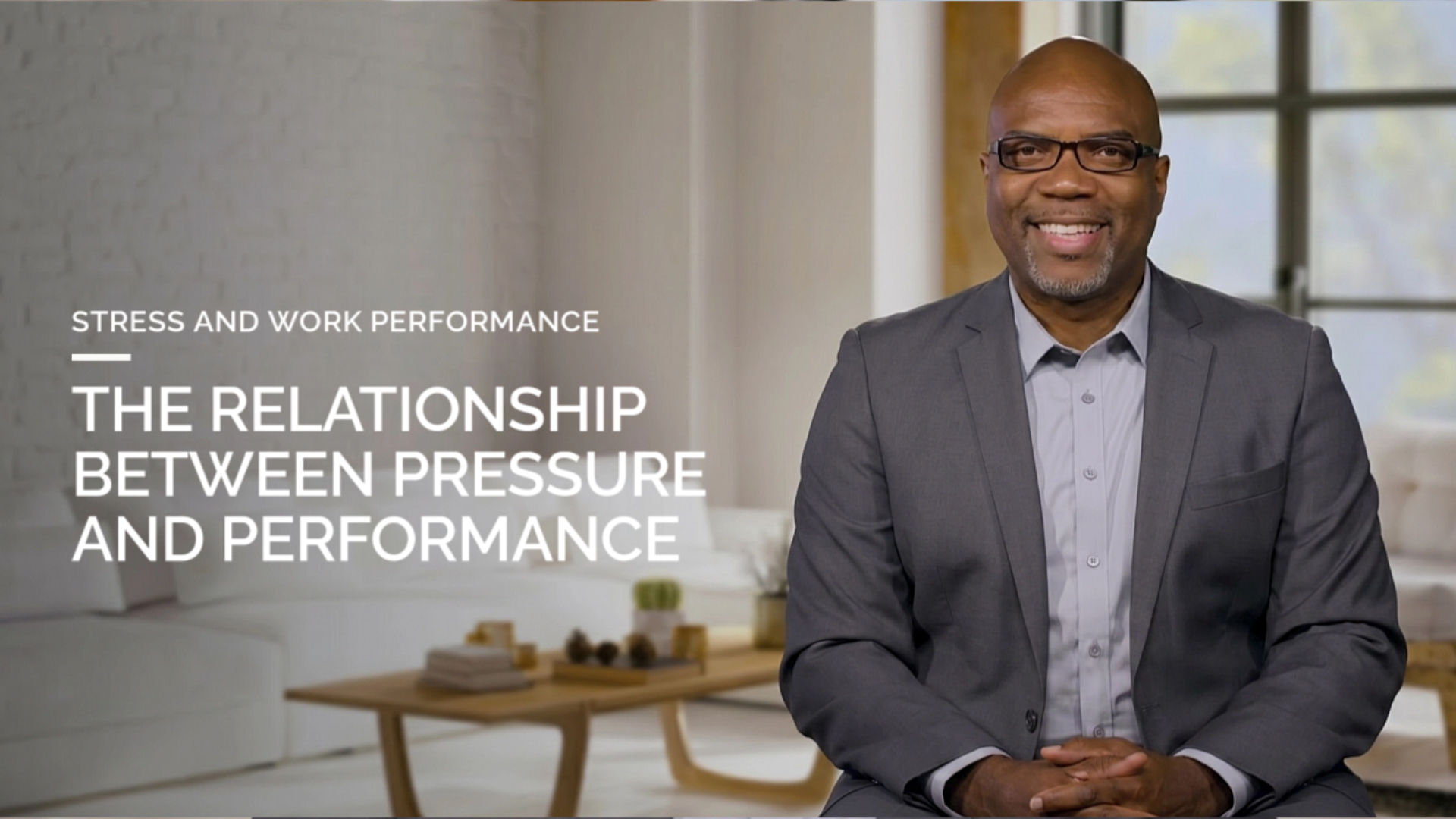
Interactive Video
Practical Resources

Skill Practice
Certificate of Completion
— Why This Course
Benefits of Our Training
Designed by working professionals for aspiring professionals.

Recognise the Signs
Understand how stress and pressure can affect your thoughts, emotions, behaviour, and ability to cope with everyday demands.

Respond Before It Builds
Learn to notice when pressure is becoming too much and use practical strategies before stress begins to affect your wellbeing and performance.

Protect Your Wellbeing
Focus on the things within your control and develop more sustainable ways to respond to pressure without letting it take over.
— What You'll Learn
Course Curriculum
15 Years of Experience
Learners
Assignments
Hours
— Your Instructor
The Experience Behind the Course
This course is built around a reality of modern work: sustained pressure can affect how people think, perform, and respond when demands continue to build.
The approach focuses on recognising stress and pressure early, understanding your own reactions, and using practical strategies to respond in ways that support both performance and wellbeing.
— Testimonials
What Readers Are Saying
Real reviews. Real people. Real impact.

— Questions
Before you write.
A few things people ask most often.
What is the difference between stress and pressure?
Pressure can come from demands, deadlines, or expectations, while stress is the response that can occur when those demands begin to feel difficult to manage.
How can I recognise when pressure is becoming too much?
Pay attention to changes in your emotions, thoughts, behaviour, energy, and ability to concentrate. Recognising these signs early can help you respond before pressure builds further.
Can I manage stress even when I cannot change the situation?
Yes. You may not always be able to change the demands around you, but you can focus on your response and the actions that remain within your control.
How can I prevent everyday pressure from becoming overwhelming?
Start by recognising pressure early, understanding your reactions, and using practical strategies to respond rather than simply pushing through.
What can I do when I already feel overwhelmed?
Pause and identify what is within your control, then focus on one practical next step rather than trying to solve everything at once.

Practical systems for modern life, performance, and wellbeing. Books, courses, and corporate programmes built from three decades of real leadership and delivery experience.