
— Who It's For
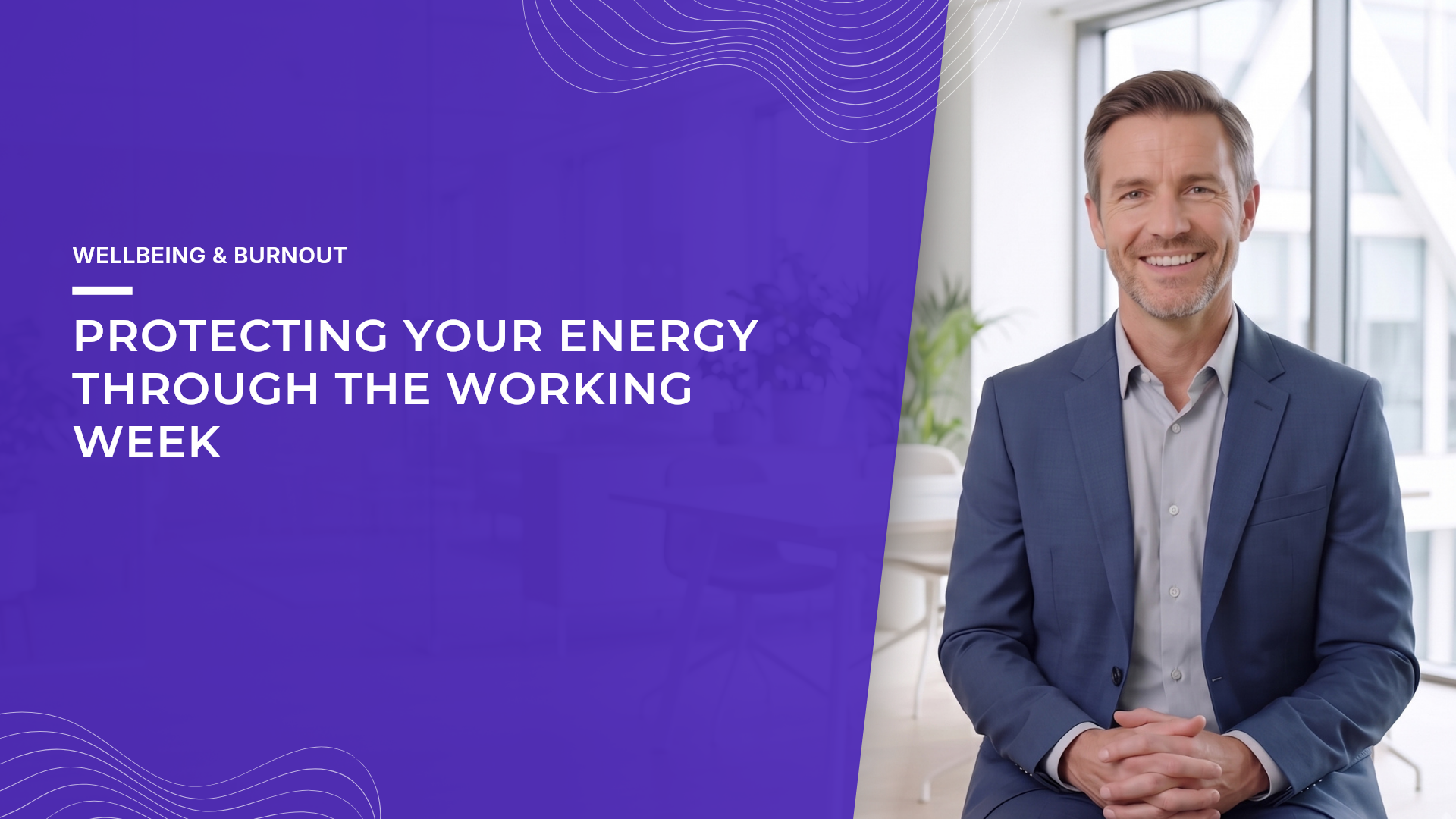
Protecting your energy through the working week
Do you ever get to the middle of the workweek and realize you're already running on empty? When you treat energy as something to spend instead of something to manage, it can quietly affect how you work and leave you feeling more drained than you expected. That can make it harder to stay steady through the week and take a toll on your overall well-being. In this course, you'll learn why running on empty matters sooner than it seems, how the spend-not-manage trap works, a simple notice-and-choose loop for protecting your energy, and what steadier energy looks like in real life.
Interactive Video
Practical Resources

Skill Practice
Certificate of Completion
— Why This Course
Benefits of Our Training
Designed by working professionals for aspiring professionals.

Recognise Energy Drains
Understand how treating energy as something to spend without managing it can leave you feeling depleted and make everyday work harder.

Manage Your Energy Proactively
Learn to notice early signs of running low and make deliberate choices before exhaustion begins to affect your work and well-being.

Build Steadier Workweek Habits
Develop practical routines that help you manage demands, protect your energy, and maintain a more sustainable pace throughout the week.
— What You'll Learn
Course Curriculum
15 Years of Experience
Learners
Assignments
Hours

— Your Instructor
The Experience Behind the Course
It can be easy to focus on getting through each task without noticing how much energy the working week is taking from you. When you keep spending energy without considering how to manage it, you may reach the middle of the week already feeling drained, making it harder to stay focused and steady.
This course introduces a simple notice-and-choose approach to help you recognise what affects your energy and respond more deliberately. You'll explore practical ways to manage your effort, make more sustainable choices, and maintain steadier energy without making your routine unnecessarily complicated.
— Testimonials
What Readers Are Saying
Real reviews. Real people. Real impact.

— Questions
Before you write.
A few things people ask most often.
Why is it important to manage my energy during the working week?
Managing your energy helps you recognise when work demands are taking too much out of you and make adjustments before feeling drained begins to affect your focus and well-being.
What does it mean to spend energy instead of managing it?
It means using your available energy to meet each demand without considering how to sustain it over time. Managing energy involves noticing your limits and making choices that support a steadier pace.
How can I recognise when my energy is running low?
Pay attention to changes in your concentration, patience, motivation, and ability to manage everyday tasks. These signs can help you recognise when you may need to adjust your approach.
What is the notice-and-choose loop?
It is a simple process of noticing how your energy is being affected, considering what may be contributing to it, and choosing a practical response instead of continuing automatically.
How can I protect my energy throughout a busy week?
Review your workload, identify what needs your attention most, take appropriate breaks, and make realistic adjustments when possible. Small, consistent choices can help you maintain a more sustainable working pace.

Practical systems for modern life, performance, and wellbeing. Books, courses, and corporate programmes built from three decades of real leadership and delivery experience.