— Who It's For
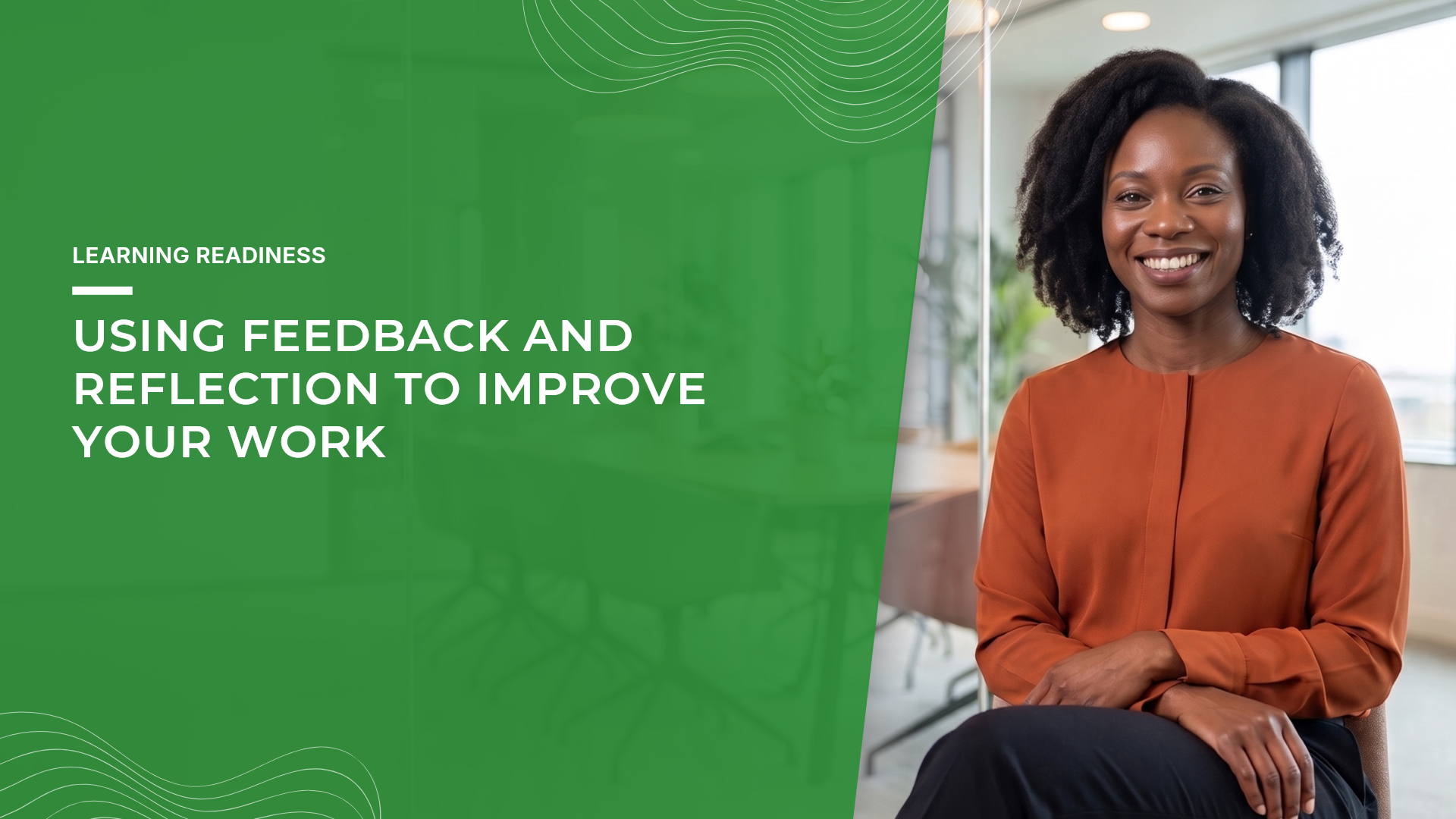
Using feedback and reflection to improve your work
Do you ever get feedback on your work or mean to reflect on how something went, only to move straight on to the next task? When feedback feels personal and reflection feels indulgent, it’s easy to skip both and miss chances to improve. Over time, that can make your work feel harder than it needs to and keep you from making steady, repeatable progress. In this course, you'll learn why small learning loops matter at work, how to work through the friction around feedback and reflection, how to close the loop in the next task, and how to keep the process light, specific, and repeatable.
Interactive Video
Practical Resources

Skill Practice
Certificate of Completion
— Why This Course
Benefits of Our Training
Designed by working professionals for aspiring professionals.

Learn From Everyday Work
Understand why small learning loops matter and how everyday experiences can become useful opportunities for improvement.

Work Through Feedback
Learn how to move beyond the discomfort of feedback, focus on what is useful, and turn observations into practical action.

Make Improvement Repeatable
Use reflection and the next task to close the learning loop, keeping improvement light, specific, and easier to repeat.
— What You'll Learn
Course Curriculum
15 Years of Experience
Learners
Assignments
Hours
— Your Instructor
The Experience Behind the Course
This course is built around a practical challenge at work: receiving feedback or having an experience worth reflecting on, then moving straight on without learning from it.
The approach focuses on making feedback and reflection simple, specific, and useful so that each experience can inform the next task and support steady improvement.
— Testimonials
What Readers Are Saying
Real reviews. Real people. Real impact.

— Questions
Before you write.
A few things people ask most often.
Why is feedback important for improving my work?
Feedback can help you notice what worked, what could be improved, and what you might do differently the next time.
Why do people often avoid reflection?
Reflection can feel unnecessary or time-consuming, especially when the next task is already waiting. The course shows how to keep it light and practical.
How can I make feedback feel less personal?
Focus on what the feedback can teach you about the work rather than treating it as a judgement of you. This makes it easier to identify something useful to apply.
What does it mean to close the learning loop?
It means taking what you learned from feedback or reflection and using it in the next task rather than simply acknowledging it and moving on.
How can I make reflection a repeatable habit?
Keep reflection specific and brief. Notice what happened, identify one useful learning point, and decide how you can apply it to your next piece of work.

Practical systems for modern life, performance, and wellbeing. Books, courses, and corporate programmes built from three decades of real leadership and delivery experience.